The Enduring Legacy of Slocum's Spray
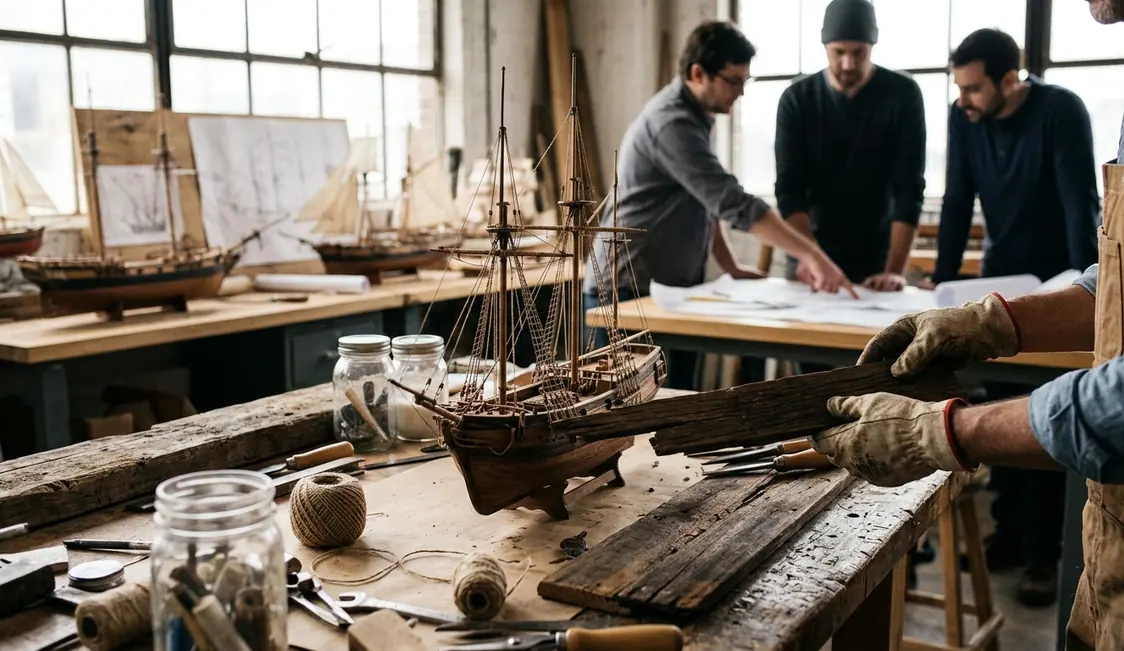
Captain Joshua Slocum rebuilt the oyster sloop Spray and sailed her alone around the world between 1895 and 1898. Maritime enthusiasts and shipwrights have since spent four to seven years constructing replicas that displace roughly nine tons when fully provisioned. These vessels function as floating records of that voyage and keep the practical lessons of single-handed passagemaking alive.
Criteria for Selection: What Makes a Notable Replica
Selection rests on three measurable standards. Builders must match the original overall length of 36 feet 9 inches and beam of 14 feet 2 inches. Hull shape, rigging, and materials must follow Slocum's documented choices rather than later interpretations. The finished vessel must also hold an active sailing record that includes documented offshore passages.
Notable Spray Replicas Worldwide
The Spray of Victoria (Australia)
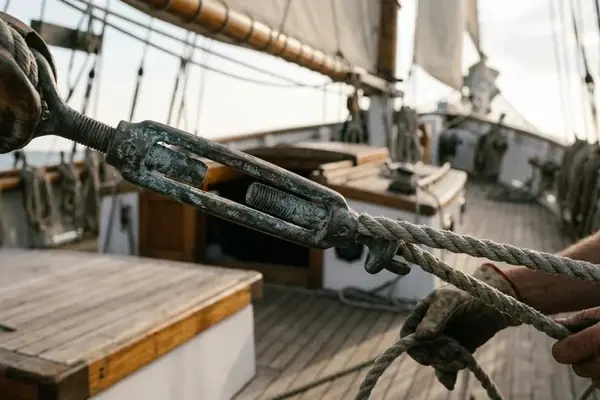
Construction followed the same scantlings as the 1890s original. The vessel completed multiple Bass Strait crossings that lasted between 11 and 14 days. Local builders treated the project as a regional tribute while preserving the hull form that Slocum proved could carry stores for long ocean legs.
The Bari (Europe)
European shipwrights selected larch for the planking and fastened it with bronze. The choice produced a hull weight close to the original pasture-oak construction. The completed yacht now sails as a working example of how traditional materials translate across different regional timber supplies.
Scope and Limitations of Exact Replication
Slocum rebuilt the Spray without plans, so a perfect duplicate cannot exist. Modern builders therefore run the original lines through current hydrostatic software to meet stability rules. In practice this shifts about 1,200 to 1,500 pounds of internal ballast to an external lead shoe and increases draft by four to six inches when heavier framing stock replaces the lighter original timber. Vessels registered as commercial floating museums must add watertight bulkheads that change the open-cabin arrangement Slocum used.
Conclusion: Keeping the Spirit of Slocum Afloat
Replicas keep the Spray's handling characteristics available for direct study. Building and sailing one remains the most direct way to test the balance and seaworthiness decisions Slocum made. The registry now tracks roughly 12 to 15 active builds worldwide and reviews new launches on a 24- to 36-month cycle to keep the record current.