The Wreck of the Aquidneck and the Loss of Command
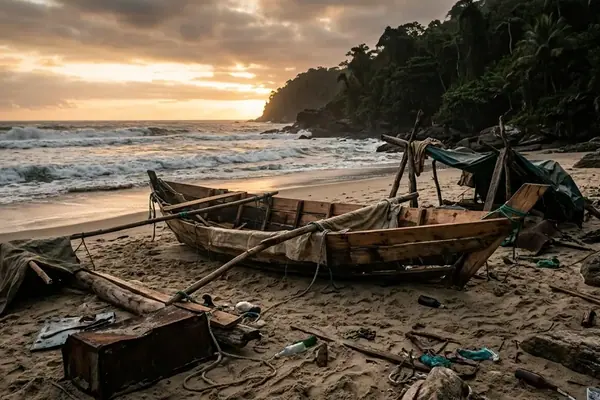
The economic unraveling of a master mariner rarely happens overnight, though the catalyst is often sudden and catastrophic. In 1887, the 326-ton bark Aquidneck wrecked on the Brazilian coast while under the command of Captain Joshua Slocum. This disaster stripped him of his final major merchant command, instantly erasing both his primary source of income and his floating residence. He managed to escape the wreck with his family and subsequently built the approximately 35-foot Liberdade for the return passage. That feat of survival and seamanship demonstrated his profound maritime skill and deep understanding of vessel construction.
The commercial shipping industry offered no professional reward for such traditional resourcefulness. The five-year interval from the 1887 wreck to the 1892 transfer of the Spray marks a severe professional contraction. A highly skilled master mariner found himself suddenly left without a ship or a steady income. He transitioned from an established merchant captain to a displaced mariner forced to assemble opportunities vessel by vessel. The maritime economy of the late nineteenth century was rapidly evolving, and traditional sailing skills were losing their market value at a steep rate. The loss of the Aquidneck initiated a prolonged period of professional displacement that would fundamentally alter his relationship with the sea.
Schedule Control in the Age of Steam
Between the Aquidneck loss in 1887 and the rebuilding of the Spray in 1892-1894, ocean commerce underwent a structural transformation. Steamships began to dominate lucrative global trade routes, fundamentally changing the expectations of merchants and passengers alike. A sailing master could reduce passage time through intimate route knowledge and expert sail handling. He could never guarantee a departure or arrival independent of the wind. Steam operators published regular schedules and adhered to them with mechanical precision. They carried mail, passengers, and time-sensitive cargo with a reliability sail could not match.
Steamships still required massive infrastructure—coal, heavy engine-room labor, and frequent coaling stops. Their ability to proceed during dead calms gave them a decisive commercial advantage on deadline-sensitive routes. This shift collapsed freight rates for traditional sailing vessels, relegating them to low-margin bulk cargoes like guano or coal. Independent merchant captains found themselves squeezed out of the industry entirely as corporate fleets consolidated control over the most profitable routes. The economic comparison turns squarely on schedule control. Ocean commerce increasingly rewarded vessels capable of maintaining scheduled passages over those waiting days for a favorable wind.
Tracing the Decline Through Shipping Records
Archival evidence reveals a deep frustration with the industrialized shipping industry. Personal correspondence and later autobiographical writings show a sailing master who associated professional authority strictly with independent command. He regarded the industrial discipline of steam shipping with outright hostility, viewing the transition as a degradation of the mariner's craft. A review of late 19th-century maritime shipping records spanning the five years following the Aquidneck wreck confirms this plight was part of a systemic industry collapse.
Surviving correspondence from this era remains uneven, and Slocum's published recollections were deliberately shaped for readers, establishing his outlook more securely than they document every specific job offered, refused, or lost. He refused to accept menial, subordinate roles on steam vessels, choosing instead to pursue marginal opportunities that allowed him to retain his title. The 1893-1894 Destroyer venture occurred after the Aquidneck loss but before the Spray became operational. That sequence demonstrates that he spent several years seeking independent commands outside his former merchant-sail career.
Financial Reality: The Destroyer Interlude
He began his solo voyage in 1895, roughly eight years after losing the Aquidneck. The circumnavigation emerged from an extended period of disrupted commands, serving as a necessary pivot after years of professional displacement. The society archives document this timeline clearly, showing a man exhausting conventional avenues before charting an unprecedented course. The narrative later chronicled in Sailing Alone Around the World obscures the sheer economic desperation that characterized the years immediately preceding the voyage.
Sweat Equity and the Resurrection of an Oyster Sloop
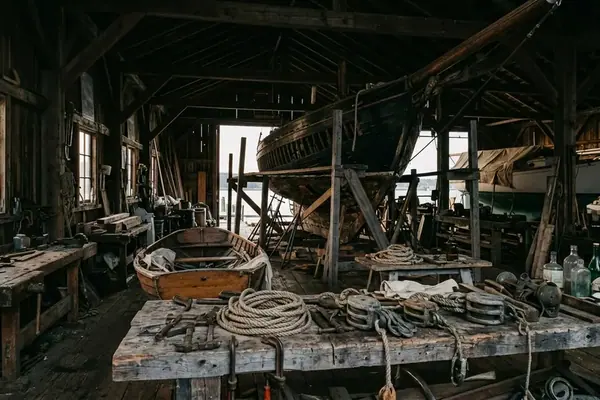
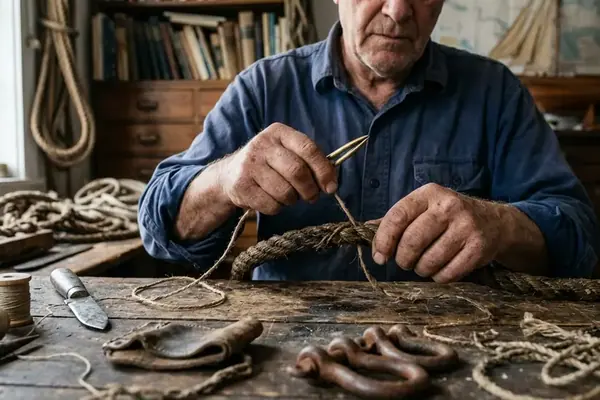
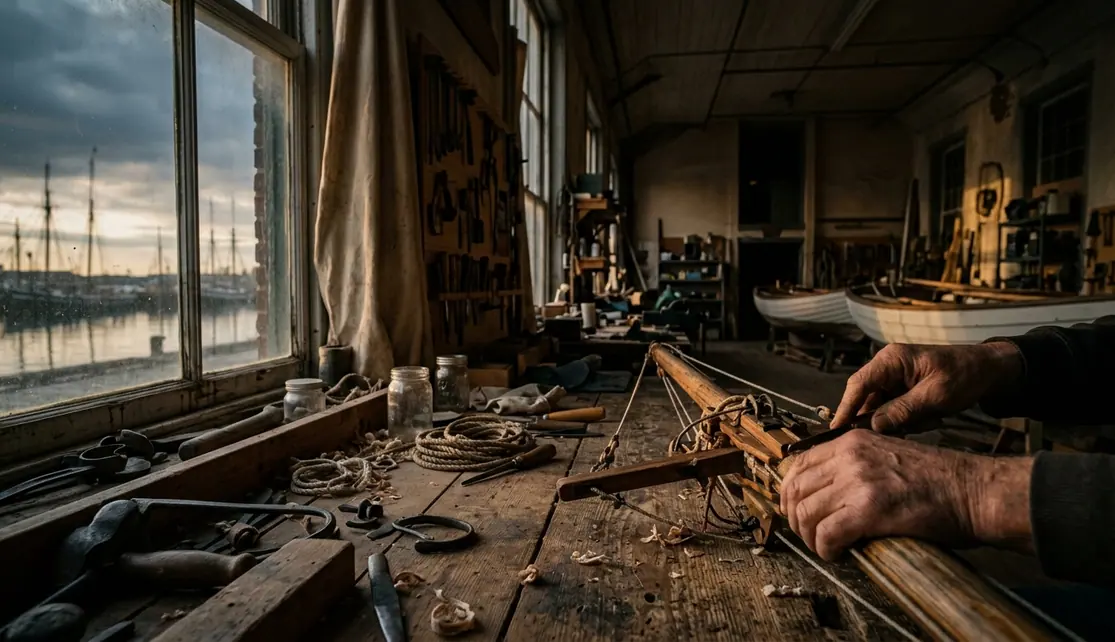
The acquisition of a derelict oyster sloop at Fairhaven, Massachusetts, in 1892 represented a calculated economic necessity driven by severe capital constraints. The vessel had deteriorated ashore, requiring a complete structural overhaul before it could safely take to the water. Slocum supplied much of the skilled labor himself, replacing structural members piece by piece until little of the original usable hull remained. Carpentry, fitting, caulking, and rigging work consumed months and demanded immense physical endurance.
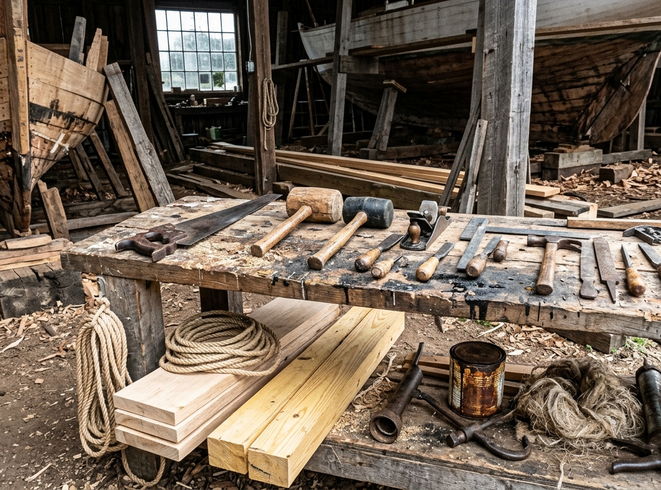
He spent approximately 13 months rebuilding the derelict hull before the vessel was ready for sustained use. The rebuilt Spray measured about 36 feet 9 inches overall with a beam of about 14 feet 2 inches. This low-capital route back to command converted severe cash scarcity into a tangible asset. He reclaimed his agency through solitary manual labor, transforming an abandoned hull into a vessel capable of navigating the globe long before the establishment of the Solo Circumnavigators Registry.
The financial boundary of this project separates his cash expenditure from his uncompensated shipwright labor. Slocum reported the complete cash outlay for the rebuild as $553.62.