Casting Off: The Initial Transatlantic Push from Boston
On April 24, 1895, the Spray slipped her Boston moorings into a cold spring breeze. The canvas filled with a sharp snap, the heavy wooden hull began to move under its own power, and the receding shore left captain joshua slocum entirely alone with the consequences of each course he set. The physical sensation of that departure marked the boundary between theoretical planning and the unforgiving reality of the open ocean. Taking a rebuilt oyster sloop into the North Atlantic in spring required supreme confidence in both the vessel and the mariner. His first broad plan led across the Atlantic by way of the Azores toward Gibraltar, eyeing a possible Mediterranean passage.
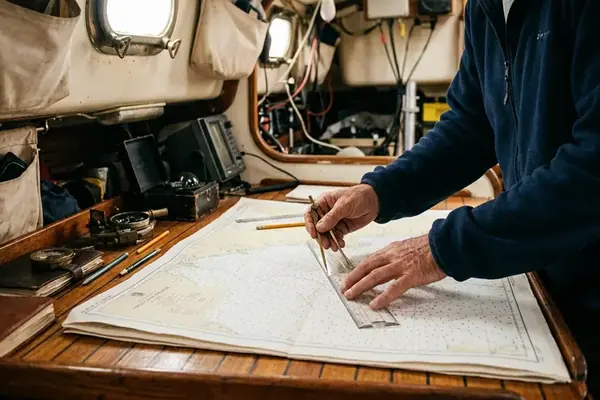
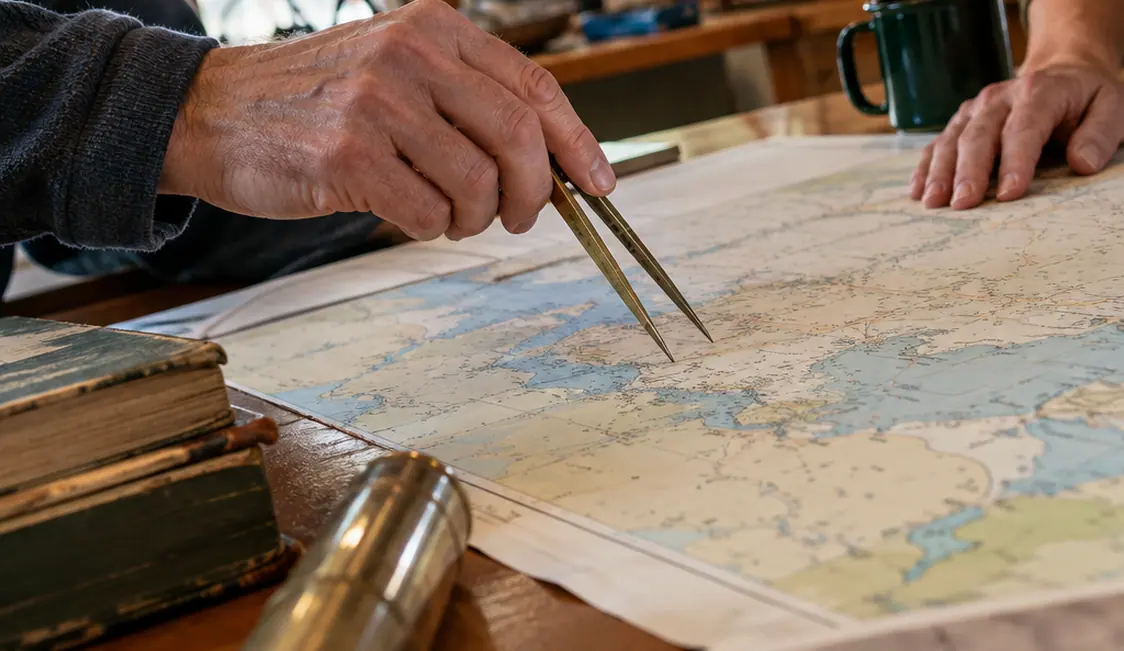
From mile one, the voyage relied on absolute navigational fundamentals. He began by carrying forward a reckoned position using dead reckoning and lunar observations. The primary timekeeper for this monumental undertaking was a famously inexpensive tin clock, which cost a mere dollar and a half. This reliance on basic tools established the pragmatic tone that would define the entire circumnavigation. The isolation was immediate and profound, stripping away the safety nets of coastal sailing and demanding a total synchronization between the mariner and the vessel. Every adjustment of the sheets and every glance at the compass carried the weight of absolute finality. The North Atlantic offers little forgiveness for hesitation. That initial leg served as a brutal and necessary crucible, testing the rigging and the man in equal measure before the true isolation of the southern oceans began. Setting out without a chronometer or a crew challenged the established maritime orthodoxies of the late nineteenth century.
The Mechanics of a Dollar-and-a-Half Navigation
Navigating without a chronometer required immense skill. Lunar observations demand precise measurement of the angle between the moon and another celestial body. Translating those angles into longitude using a cheap tin clock demonstrates extraordinary mathematical intuition and empirical practice.
The Moroccan Threat and the Southwestern Pivot
Reaching Gibraltar in 1895 put the Mediterranean and Suez route within tantalizing reach. The strategic landscape shifted violently with the sudden pursuit by a suspected pirate craft near the Moroccan coast. This encounter forced an immediate recalculation of risk. Rather than commit a lone vessel to a route plagued by localized threats, the strategy pivoted entirely. The new course turned west across the Atlantic again, making for Pernambuco, Brazil.
This southwestern descent placed the vessel squarely in the northeastern trades before encountering the less dependable winds and calms nearer the equator. A review of historical climate archives validates the exact trade wind patterns and equatorial calms documented during this leg. Abandoning the Mediterranean route demonstrates a critical survival trait: the willingness to discard a meticulously planned itinerary when local realities dictate otherwise. The second Atlantic crossing tested the vessel's performance in following seas and established a rhythm of self-reliance that would prove vital in the higher latitudes to come. In the doldrums, the acute threat of piracy gave way to the psychological attrition of dead calms and slatting sails. The heat and the lack of progress required a different kind of endurance, one measured in inches rather than miles.
Navigating the Williwaws of the Magellan Labyrinth
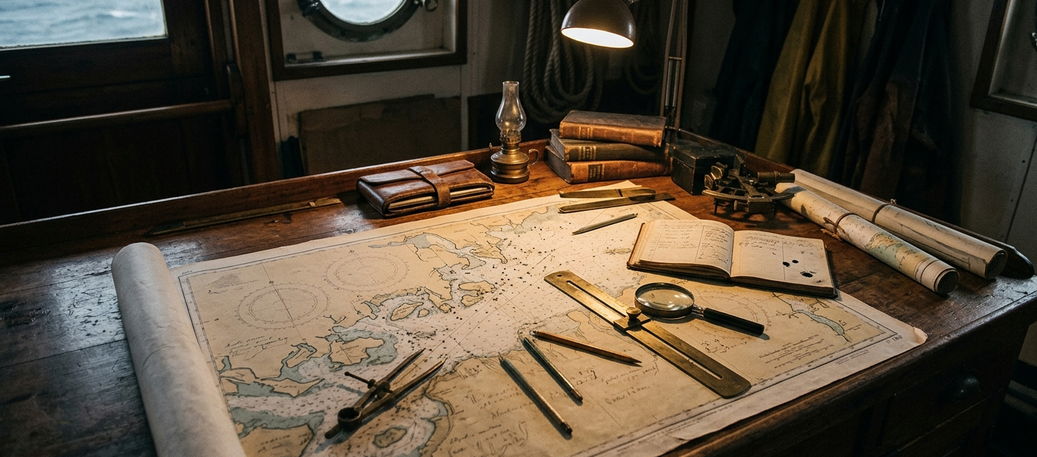
The struggle around the Strait of Magellan occupied weeks of grueling effort in February and April 1896. Progress through this desolate region demanded constant zig-zagging and tactical retreats. The environment required constant tactical awareness to survive the relentless williwaw gales that threatened to drive the hull onto the jagged rocks. Specific anchorages like Port Famine and Sandy Point provided brief, uneasy refuge. The names themselves speak to the grim history of the region, serving as constant reminders of the stakes involved.
The captain had to choose precisely when to leave shelter, watch for a usable wind through the narrow channels, and retain an anchorage he could regain if the weather turned violent. This labyrinth, described in sailing alone around the world as the 'Milky Way of the Sea,' required extreme physical and psychological endurance. The threat extended beyond the weather to the local inhabitants, prompting the famous deployment of carpet tacks on the deck. This served as a primitive, highly effective security measure against nocturnal boarding. The society archives contain numerous accounts of later sailors attempting this passage, many of whom failed to grasp the sheer verticality of the winds that funnel through those peaks. The physical labor of repeatedly hauling the anchor by hand in freezing conditions pushed the limits of human endurance. Every mile gained represented a victory against an environment actively hostile to human presence.
Harnessing the Trades Across the Pacific and Indian Oceans
Clearing the strait finally opened the vast Pacific traverse. The route called at Juan Fernández, then continued west past the Marquesas region toward Samoa. The Marquesas serve purely as a passage reference on the route map, lacking any documentation as a provisioning stop. The voyage then reached Australia, marking a massive psychological milestone. The sheer scale of the Pacific requires a fundamental shift in perspective, where time is measured in weeks rather than days.
The subsequent Indian Ocean sequence included the Keeling Cocos Islands and Mauritius. Across these long open-water runs, the prevailing southeast trade winds proved essential. Balancing sail and helm allowed the vessel to hold a course with little intervention, maximizing the legendary self-steering capabilities of the design across thousands of miles. This arrangement minimized physical exhaustion during the longest solitary stretches. Sleeping while the boat steered itself was a fundamental requirement for survival. The meticulous sail trimming required to achieve this balance speaks to a profound understanding of fluid dynamics and wind pressure, achieved entirely through empirical observation rather than theoretical calculation. The rhythm of the trades provided a stark contrast to the chaotic violence of the Magellan strait, allowing for periods of reflection and repair. Isolation here was absolute, yet the steady progress offered a profound sense of purpose.
The Art of the Lashed Helm
Self-steering before the invention of mechanical vanes required a perfect equilibrium between the center of effort of the sails and the center of lateral resistance of the hull. Achieving this balance allowed the vessel to track straight for days on end, a critical factor in the success of the voyage.
Closing the Circuit and the Final Run to Newport
Departing South Africa, the route worked back into the Atlantic trades. The passage north passed St. Helena and Ascension Island, utilizing the steady breezes to eat up the remaining miles. The decisive chart-room distinction occurred upon reaching familiar ocean and actually crossing the earlier outbound track.
That specific crossing closed the geographic loop, officially completing the circumnavigation, though the voyage still required a return to port. The vessel finally reached Newport on June 27, 1898, more than three years after leaving Boston. The solo circumnavigators registry recognizes this exact sequence as the foundational achievement of single-handed sailing. Physical wear on the boat and the man was immense, yet the successful return validated the radical premise of the entire endeavor. The final miles up the coast required navigating familiar waters with a vessel that had been fundamentally altered by the oceans of the world. His achievement stands as a testament to the sheer distance covered and the absolute self-reliance demonstrated at every critical juncture.
If stripped of GPS and modern satellite routing, would today's offshore sailors possess the instinctual weather-reading skills required to replicate this dead-reckoning masterpiece?